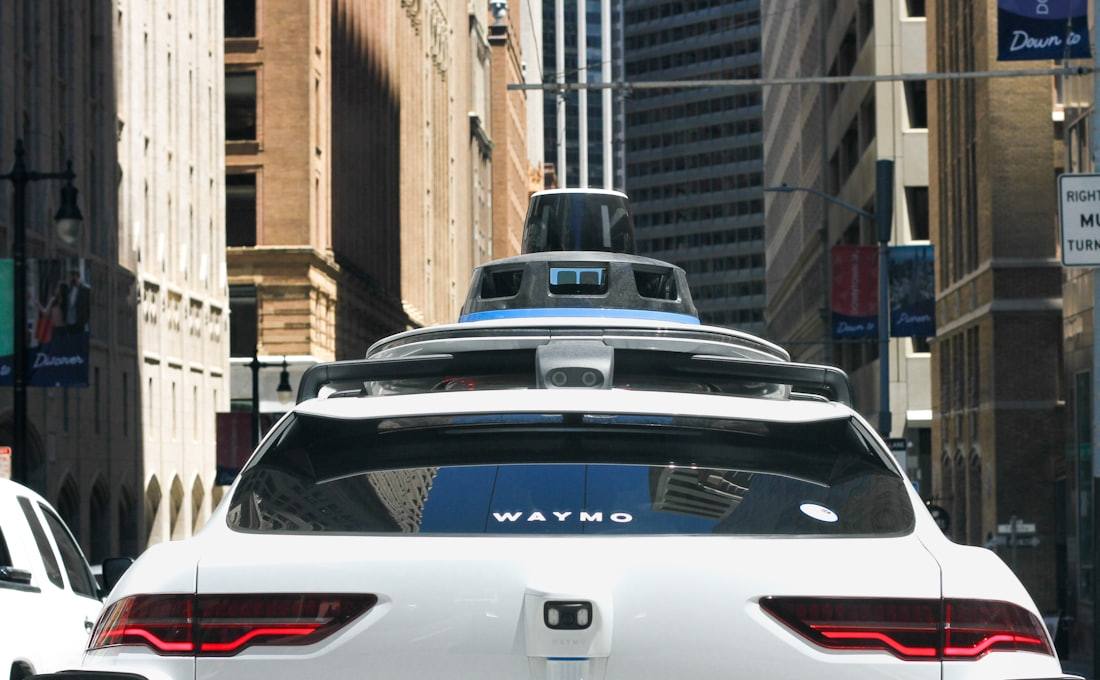
Automotive HUD Eyebox and Optical Architecture
HUD design balances eyebox, field of view, virtual-image distance, luminance, contrast, package, windshield geometry, distortion, double images, sunlight loading, polarization, and driver population. Eyebox cannot be enlarged independently without consequences for aperture, projector, étendue, package, and stray light.
Why this decision matters
This choice affects more than nominal optical performance. It changes package volume, tolerance sensitivity, supplier options, alignment effort, calibration, test equipment, production yield, and the evidence required before release. The correct answer therefore comes from the complete operating condition and acceptance method, not from a single catalog value.
Key engineering decisions
- Set driver eye distribution and viewing geometry first.
- Model windshield and package in the optical architecture.
- Allocate distortion and ghost correction between optics and software.
These decisions should be captured in a requirement or trade study before the team commits long-lead components. Where requirements conflict, rank the product priorities explicitly so optimization does not hide a business decision.
Specification checklist
- Eyebox and eye ellipse
- Field of view
- Virtual-image distance
- Windshield geometry
- Luminance and contrast
Every value should state the condition where it applies and how it will be measured. A specification without a defined test condition is not yet an acceptance requirement.
Common failure mode
A bench image looks strong through a nominal combiner but loses uniformity, focus, or registration across real windshields and driver positions.
The practical remedy is to compare the nominal model, tolerance prediction, mechanical interfaces, and measured configuration together. Treating the symptom as an isolated lens or component problem often produces another build with the same system-level limitation.
Verification approach
Evaluate image quality, luminance, contrast, distortion, ghost, color, eyebox, sunlight, temperature, vibration, and windshield variation using calibrated geometry.
Record the hardware revision, source or scene, wavelength, aperture, field point, focus or alignment state, environmental condition, processing, and measurement uncertainty. This makes the result useful for design iteration and supplier transfer rather than only for a one-time demonstration.
What to send PAO
Send display or projector data, field, eyebox, eye positions, windshield CAD and samples, package, luminance, environment, and current images.
PAO applies this framework through automotive LiDAR and HUD optics, from requirements and architecture through detailed design, prototype evidence, and manufacturing transfer.